Nobody at Your Company Proofread What ChatGPT Says About Your Drug
About a third of US adults now ask an AI chatbot a health question in a given year, roughly the […]
About a third of US adults now ask an AI chatbot a health question in a given year, roughly the […]
Somewhere right now, a patient is asking ChatGPT whether it is safe to combine two of their prescriptions. A physician
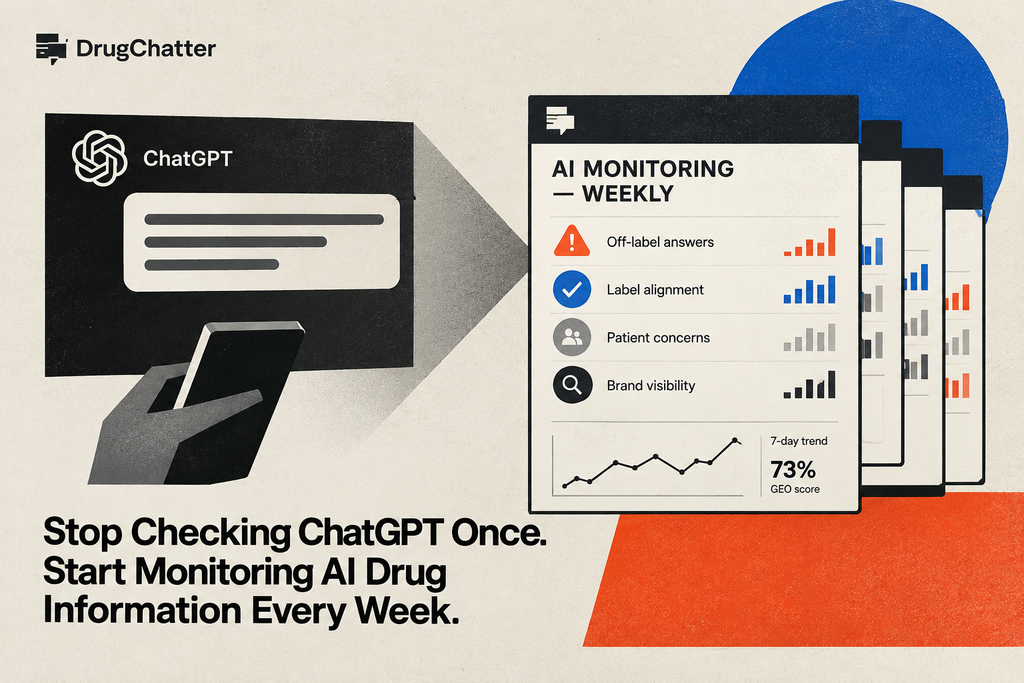
ChatGPT now fields a healthcare question from roughly one in four of its more than 800 million weekly users, according
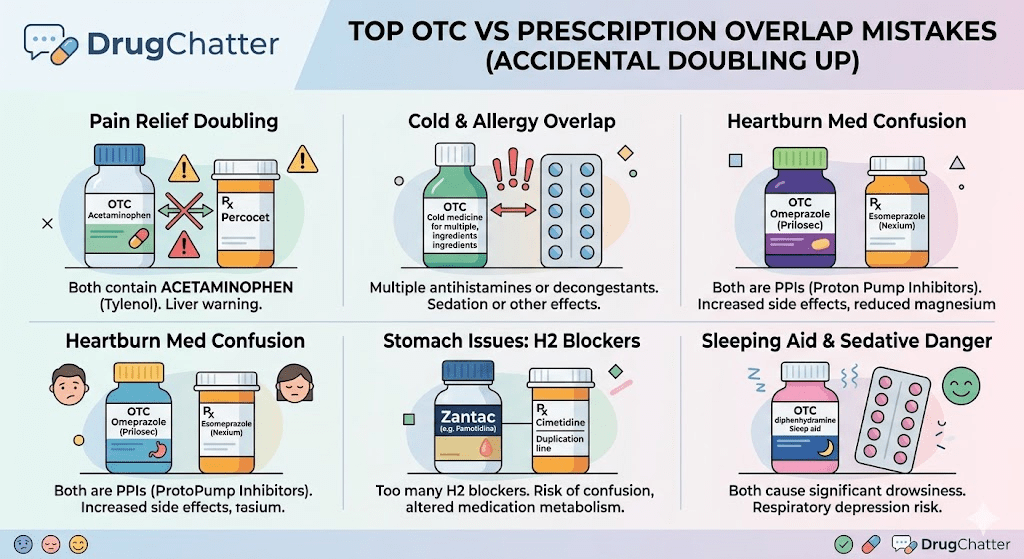
There are two kinds of medication mistakes: the dramatic ones (the wrong drug, the wrong dose), and the quiet ones—the
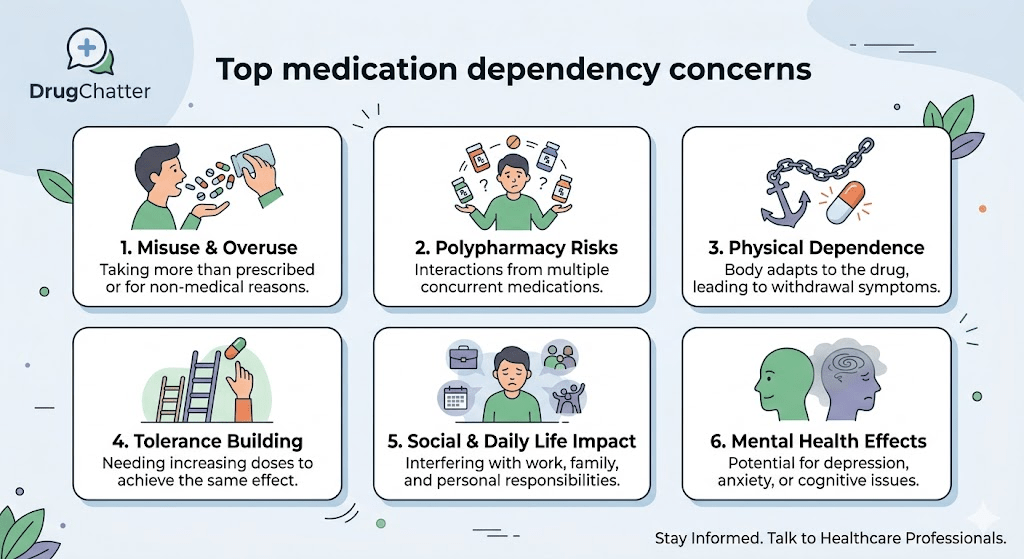
There are two kinds of medication problems: the ones that announce themselves in big, dramatic side effects—and the ones that
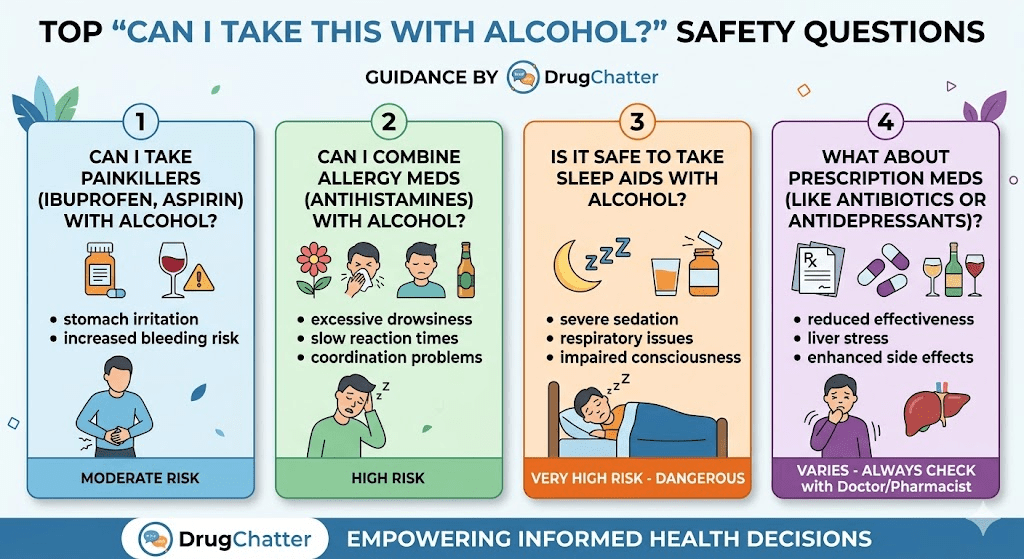
There are two kinds of medicine questions: the ones you ask because you’re curious, and the ones you ask because
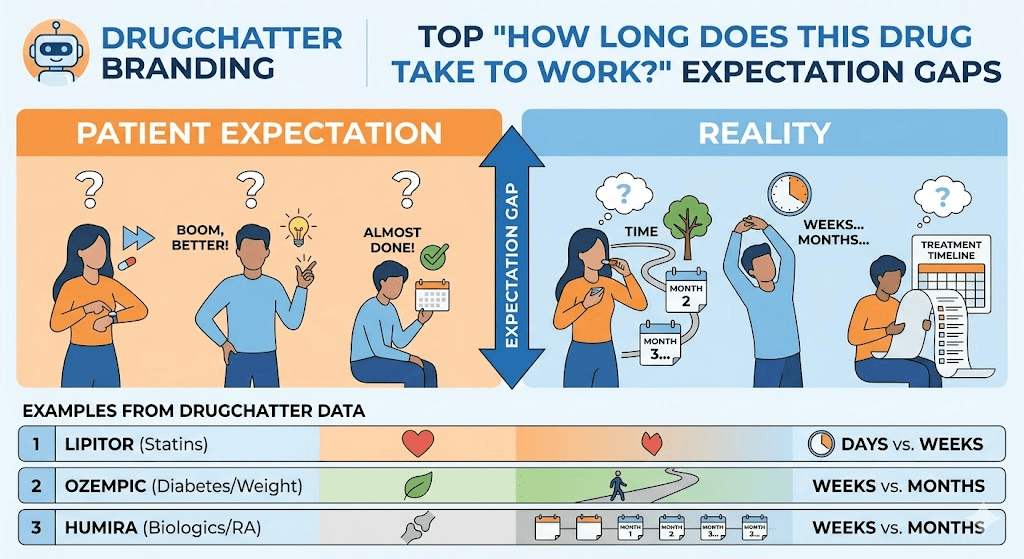
Every medicine has a timeline, but patients and prescribers often carry a different one—usually shorter, usually simpler, and usually based
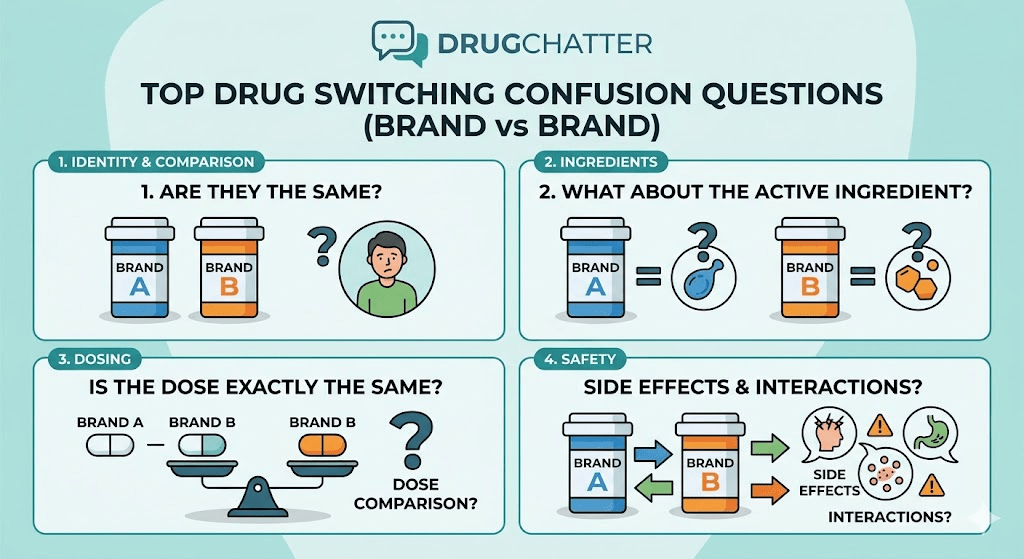
Drug switching is supposed to be simple: same active ingredient, same job, different label. In practice, patients and even clinicians
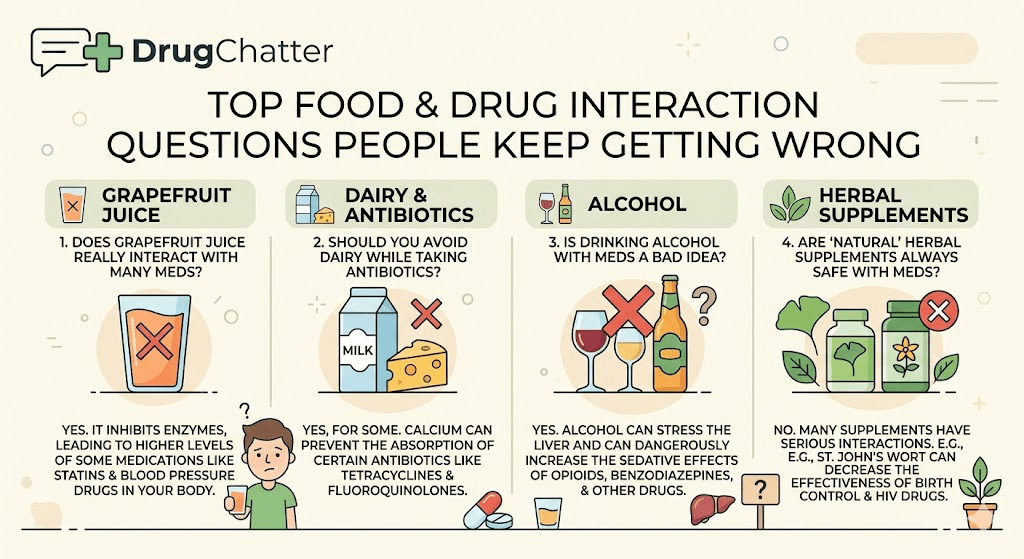
Top food and drug interaction questions people keep getting wrong There’s a particular kind of question that shows up again
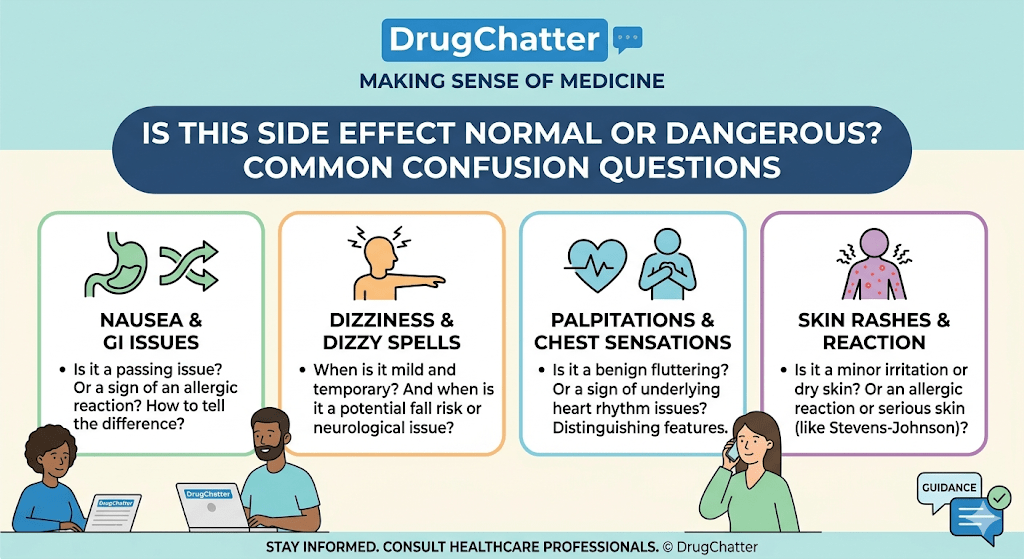
There are two kinds of questions that show up again and again in medicine: the ones that are basically “is
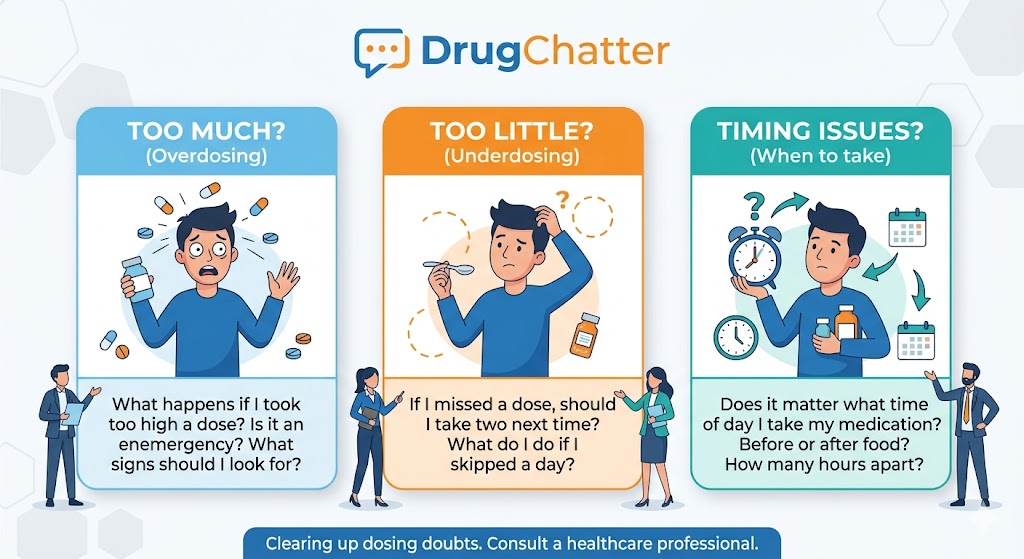
Every so often, a patient (or a caregiver) does the math the way humans do: if a dose is good,
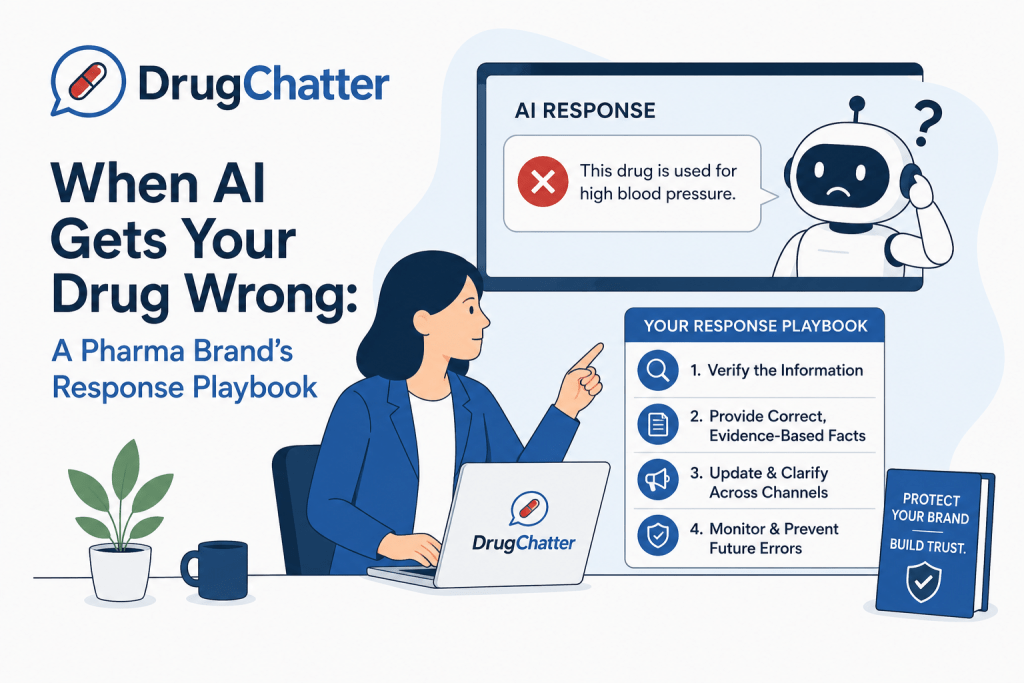
A patient asks ChatGPT whether her new prescription interacts with the blood pressure medication she has taken for a decade.
Sign in or create a free account to read this DrugChatter article